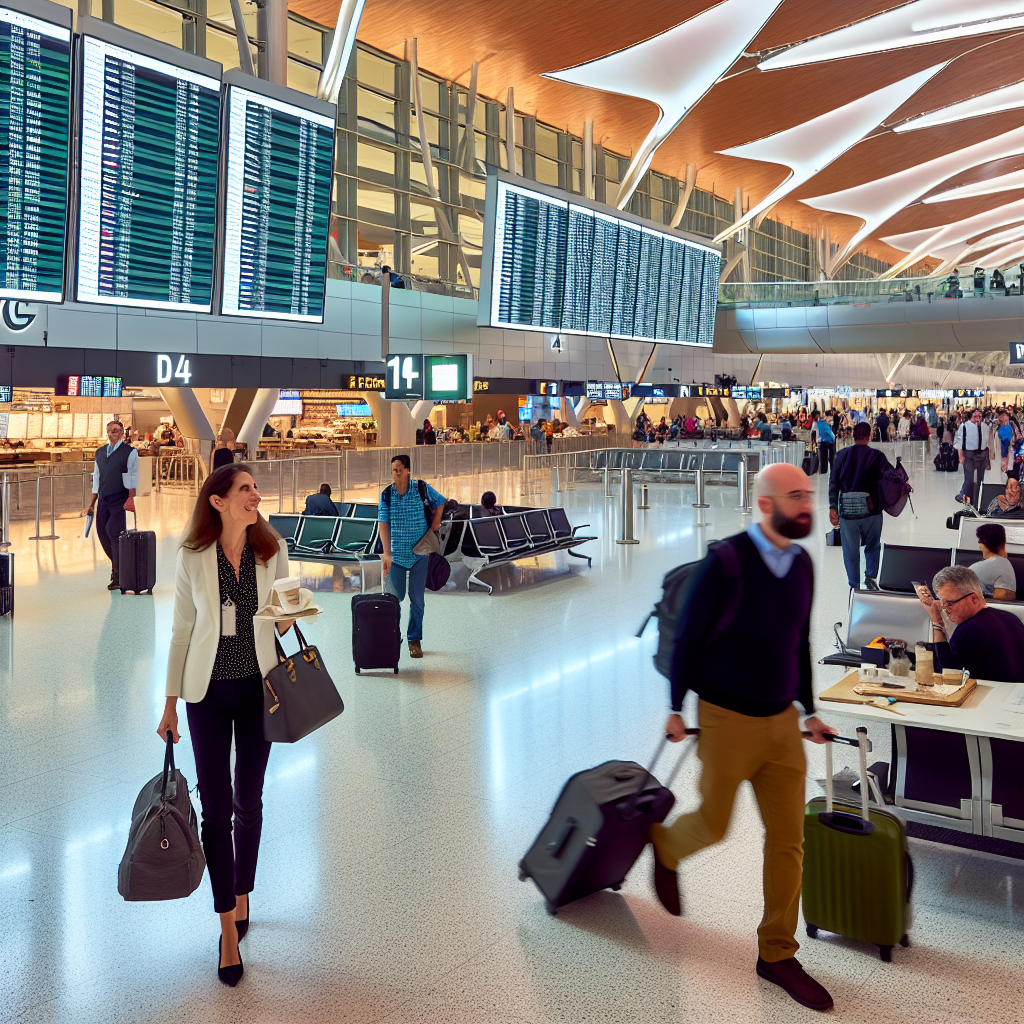
Arrive Early
For international flights, arrive at the airport 3 hours before departure. For domestic flights, 2 hours is sufficient. This buffer time accounts for check-in lines, security procedures, and finding your gate.
Pro tip: Use your airline's app to check-in online 24 hours before your flight. This saves time and often lets you choose your seat.
Find Your Airline Check-In
Look for departure screens or ask airport staff for your airline's check-in area. Most airports organize airlines alphabetically or by terminal.
Have ready: Passport, booking confirmation, and any visa documents. If you checked in online, proceed directly to bag drop.
Check Your Luggage
If you have checked baggage, proceed to your airline's counter. Ensure your bags meet weight restrictions (typically 23kg/50lbs for international economy).
The agent will weigh your bags, attach luggage tags, and give you baggage claim tickets. Keep these safe—you'll need them if your luggage is lost.
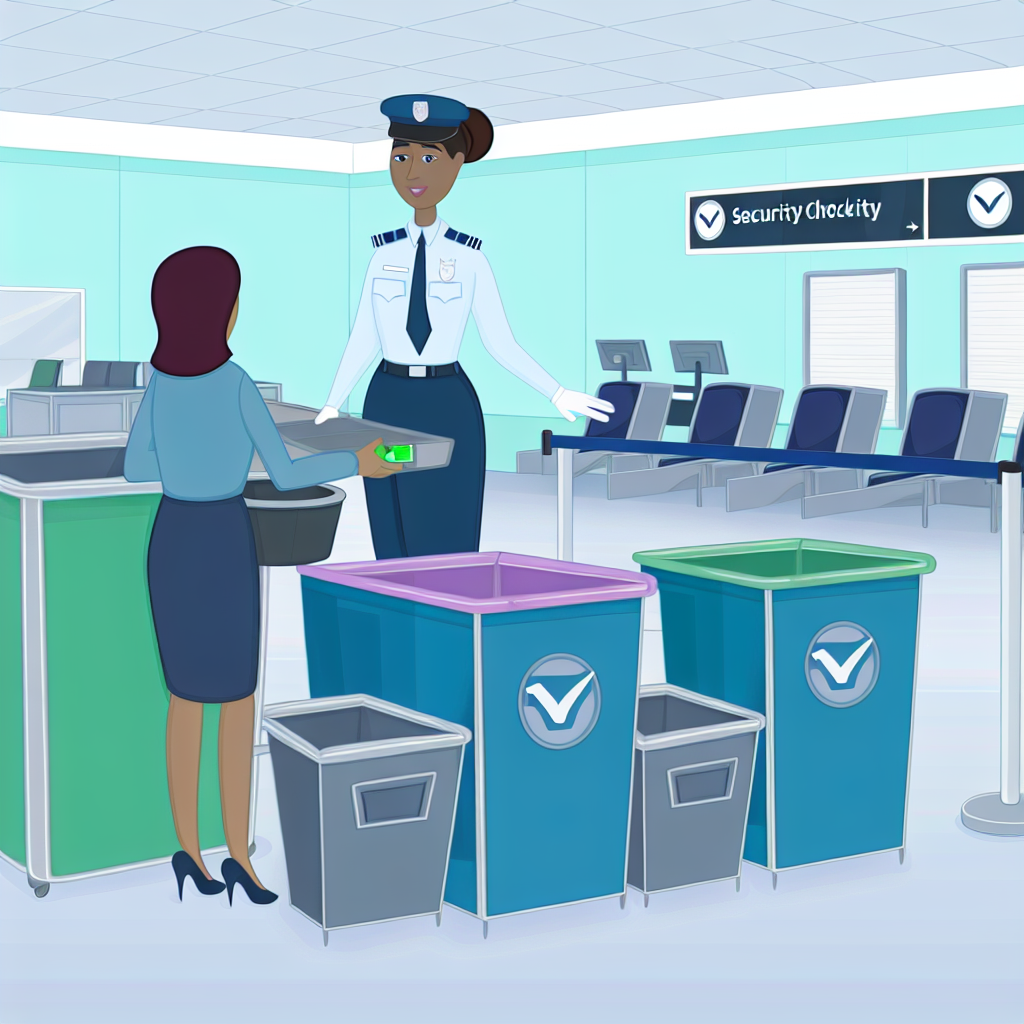
Navigate Security
Follow signs to "Security" or "Gates." Have your boarding pass and passport ready for inspection.
Security preparation:
- Remove laptop and liquids from carry-on
- Take off jacket, belt, and shoes
- Place everything in bins
- Walk through metal detector when instructed
- Collect your items and repack
Pass Through Immigration (International)
For international flights, you'll go through passport control after security. Join the queue for your passport type (citizen/non-citizen).
The officer will check your passport, ask about your trip, and stamp your passport. Answer clearly and honestly.
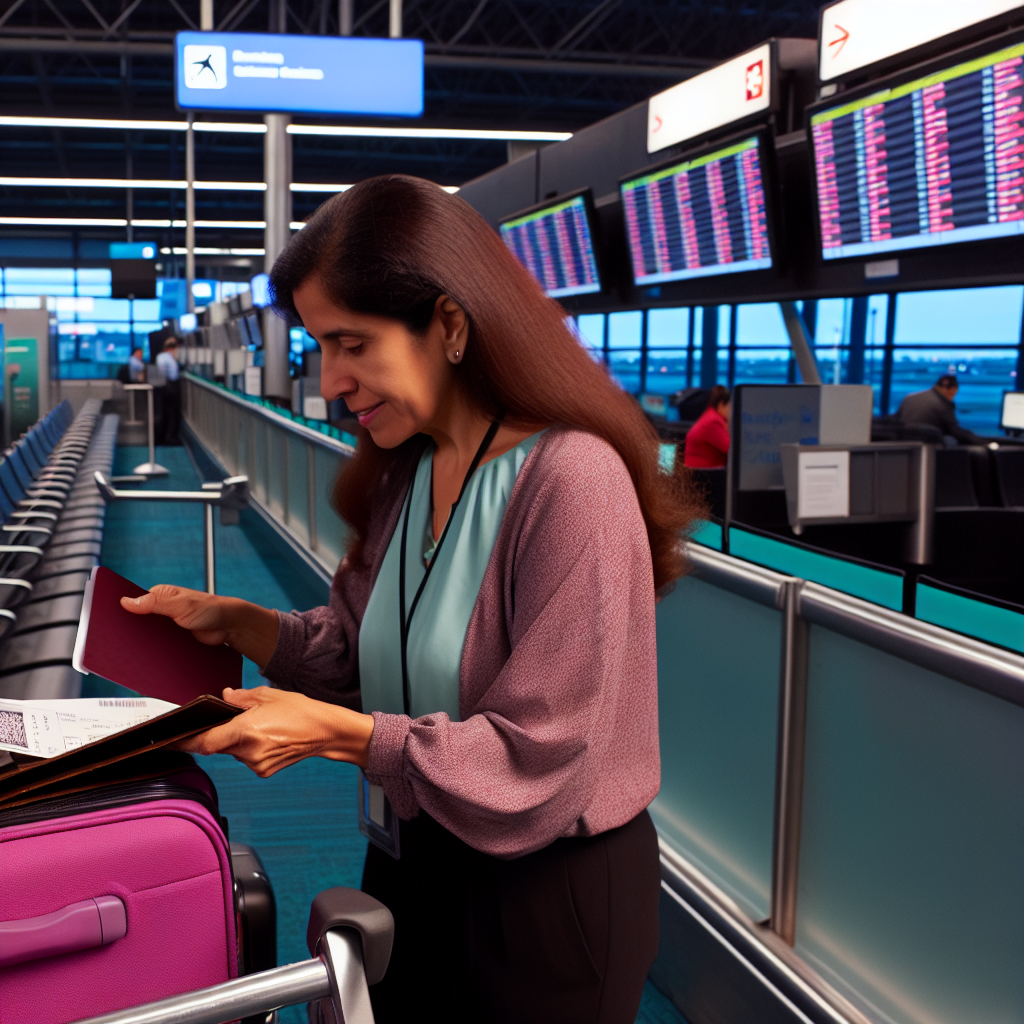
Find Your Gate
Check your boarding pass for the gate number. Look at departure screens—gates can change, especially for early flights.
Follow airport signs to your gate. If it's far, consider using airport trains or walkways. Give yourself at least 30 minutes to reach distant gates.
Wait at Your Gate
Arrive at your gate at least 30 minutes before boarding time. Listen for announcements about boarding or gate changes.
While waiting: Visit the restroom, fill your water bottle, grab snacks, charge devices, or simply relax.
Board Your Flight
Airlines board in groups (zones). Your boarding group is on your boarding pass. Wait for your group to be called.
When boarding, have your boarding pass and passport ready. The gate agent will scan your pass. Welcome aboard!